
二次元老婆学院
二次元老旧婆科院为独家画风精美里层面的3D校园恋爱SLG乐趣,拥持有30好多个不同风格的个体,动态CG场景,复仇剧情景线。瞬间记录历练这款欧美SLG神自事务!

视觉数据矩阵
沉浸式视觉体验扫描


核心功能模块
系统能力扫描分析
智能AI驱动
先进人工智能算法优化
量子级运算
突破性量子计算技术
神经网络互联
多维度网络连接系统
游戏数据档案
核心玩法信息解析
我诈尸啦~
这次更新之前的内容有一点点改动,所以干脆重新做下攻略,虽然不知道业力有啥用,还是以提高业力的路线来走,有分支的会提示存档,下面开始吧:
输入名字>打个盹>上楼去>去希拉的房间>去你的房间>上学>继续上学>不看>这里3个选项没区别,随便选>去地铁站>回家>两颗>去客厅>去希拉的房间>提起>按摩>上学>继续上学>去男厕所,从这里开始只有一个选项的我就不打字出来了,不然太麻烦了....
去教室>去杂货商店>从前面买东西>离开商店>回家>去洗手间>每个点一遍>停止家庭作业>到外面去>(顺着选项点)>去教室>家>回房间>新的选项每个选一次>停止家庭作业>去洗手间>存档>我忍不住了,我要....>读档>算了,今晚就继续...>去教室>存档>选干>读档>“轻轻地”擦在...>闭上眼睛想点别的>去教室>存档>选第一个>随心所欲的选>剧情后读档>专注于使命!拿相机>躲在储物柜>敲打储物柜叫醒她>回家>去自己房间>新的两个点下>停下作业>使用新的浴室孔>每个都看一遍(这里会发现校长和名为白姬的其实是当初陷害自己爸爸的人)>调查进展>停止作业>去洗手间>忍不住>不要走的更快>乡村车站>明智的等待>去教室>去杂货店>四处看看商店>去收银台买东西>离开商店>去公园>做引体向上>回家>去洗手间>看电视>查看信息>停止家庭作业>(先存档,选给她,然后随便选,再读档)选择不取悦>在有人进入前处理>移开手亲>用最简单的方式....>去公园>去杂货店>随便选(必输)>离开>去洗手间>看电视>查看信息>新的全点一遍>停止家庭作业>去洗手间>去男厕所>使用洗手间>去教室>保持安静>去地铁站>回家>去客厅>提醒她>当前目标>已开始的任务>返回>停止作业>看电视>去吃饭>去洗手间>去教室>去公园>去杂货店>去洗手间>做你想到的第一件事>停止作业>去吃饭>去洗手间>连续出站立轻拳>上勾拳的特殊动作>去男厕所>小便>去医务室>(这里存档,选让雕像奔溃,剧情完再读档)警告伊莎贝拉>取回相机>翻找储物柜>离开前翻找其他>去公园>去洗手间
这里是第一次地铁情节,两次地铁情节都很容易GAME OVER:选暂时袖手旁观>(存档,先选她活该...剧情后读档)>这太过分了...>去客厅>去后院>去洗手间>去自己房间>停止作业>去吃饭>早点上床睡觉>去女厕所>(可以选择留下,有好玩的事情,不过扣业力)离开>去女厕所>去地铁站>去市中心>靠近她,但不要理会她>去蜜蜂吧>上跷跷板>去客厅>停止作业>看电视>去吃饭>去洗手间>等待十分钟>再等>再等>去上课>点一次>点三次>点五次>去女厕所>去杂货店>去公园>去洗手间>去自己房间>当前目标>当前任务>返回>停止作业>连续打出站立的刺拳>上勾拳>听听她的意见>男厕所>小便>上课>去男厕所>再次检查医务室>去地铁>去市中心>靠近她,但不要理会她>前往财阀株式会社>去自己房间>当前目标>当前任务>返回>停止作业>看电视>去吃饭>去洗手间>去阳台看看>等待>检查下,以防......>花点时间想想最好的办法>去男厕所>小便>接下去按下图的顺序点击
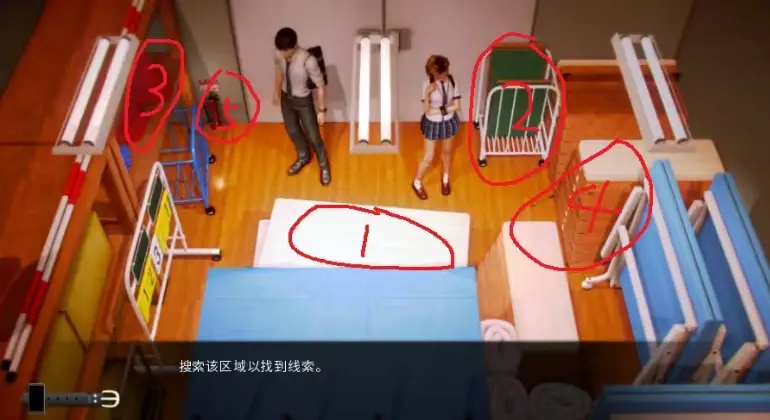
花点时间制定行动计划>去希拉房间>去洗手间>检查男孩情况>去更衣室>去地铁站>去市中心>(第二次地铁情节)假装配合,并试图欺骗暴徒>随便选>"你知道,前臂和腋窝会出很多汗....”>嗯,黑色衣服会吸收很多热量....>去客厅>当前目标>当前任务>剧情回顾>返回>停止作业>挥手>(这里先存档,先选去卧室,剧情完再读档)为什么要等?>你在说什么傻话...>去大厅问问接待员>去按摩室>看看妈妈的房间>(这里存个档,先选第二个,剧情过后再读档选第三个,剧情过后再读档)我会认真打球>告诉他们不,等他们离开,然后享受自己的乐趣>去洗手间>去医务室>离校>去高村的道场>悄悄的....>检查手机的...>当前任务>剧情回顾>返回>停止作业>向她寻求指导>检查女厕所>检查医务室>检查男厕所>选哪个都一样>去杂货店>去后门>文件夹01>文件夹03>随便点>文件夹02>面对你的命运>强行获得奖励>给他一个尊重的答复>什么都不承认,同时试图....>说实话,但尽量有格调....>去女厕所>选哪个都一样>拒绝洋子>无论如何,我要抓出她>(这里存档)三个都选一次>走路时想一首打油诗>看着选>等健硕>跟随她>等洋子出来
接下来实验室剧情,这里也算是个难点:问南(美波),她的笨拙很容易引起注意>使用文件夹........>检查实验室柜台>按照公式调>使用椅子来补充>你为何闯入我的梦境?>你在实验室里忙啥呢>跟我爸在学院的那段日子,讲讲>传统的>去大厅>去一个随机的楼层>去按摩室>先去看看真希....>坚持计划,回到...>走左边的楼梯>环顾四周...>走右边的楼梯>玩有史以来赌注最高的...>还是算了吧...>老实说...>就像武士和封建主义的时代一样?>慢点(选另一个也可)>对明日香说谎>选第二个试着安抚(选第一个会加20业力但是少一个动态,也可存档,你看着来吧...)>不要做一个混蛋...>选第四个>放慢...>(存档,选第一个,剧情后读档)选第二个>我没有时间...>假装屈服...>“太阳在东方升起...”>检查左边小巷>看看巷子里有没有人可以说话>跟随紫色>跟随红色>不>跟随黄色的>走左边>找找别的入口>使用垃圾桶爬上>等待更好的机会>继续等待那个完美的机会>下次她离开电脑时偷偷...>尝试从下面倾听>告诉他他赢得了一些好运>这里只能选第一个>没有它,我们做的更好
从厨房拿些食物,看电视(选另一个也一样,其实电视里就是作者的新作游戏,不过一直没发布就是了)>告诉她她性感的要命(选哪个都一样...)>那种破事绝不会受惩罚>三选一随便选>拯救妈妈>(这里存档,先凯瑟琳)再选伊丽莎白>你听够了,让她们停下>问那个显而易见的问题>一个实现你某个梦想的机会>放松点,我不是在评判你,每个人都有...>坦白说...>我可以利用她...>(存档)三个都试一下>为什么>三个问题问完>没事了>听说小一点的水果更甜....>这里自己看着喜好选吧...>维生素b12>1986年>选前四个都一样>这里可以存档两个都选一遍>选哪个都是错的,所以就选最后一个吧>红与蓝>这里可以存档每个都试一次>佳乃>说清楚点,你可不想.....>我加入........>或许我是.....>再次....>继续....>不,持开放态度>以上所有,甚至更多>随便选一个人>诱惑点
我应该面面俱到>欣然接受.......>去商店>买发带>去公园>我觉得这非常适合你>萨默赛德火车站>武藏岛大厦>好的请继续>请继续>地图>前面四个问题都问一遍>不,我们继续前进>你确定那个苹果的事吗>那个刺穿妖怪心脏的试炼>让她继续说>不了,我没事>胡说,再说我觉得这很适合你>去海滩>不,她没对不起我>柠檬冰茶>一杯脏雪莉>一杯西柚汁>香蕉袋混合物>芬妮根的河流>要花香且带草本味的>要干爽且有风味的>要酸爽且香气浓郁的>精酿啤酒>从这里开始一定要注意,雪子和元子只能2选1,也可以存档两条线都走一遍>我当然是走元子(班长)路线>无论雪子能带来什么好处....(选再忍耐一会儿...就是雪子路线)>剧情后三人的选择这里存档(建议存个新档)>先选高村>海滩剧情结束后读档选娜娜莉>刻薄但诱人>(这里选第二个再选第三个能看到校长剧情,但不重要,我就无视了)继续按摩,一切顺利....>我的目光早已回答了一切>是时候更进一步了>剧情后读档选班长>你保持沉默,无需多言>我发誓绝不泄露半句>恰恰相反,元子,怪物不会坦白........>存档(这里关系到两个元子的CG)>骗她一下....>一只螃蟹>然后选哪个都一样>剧情后读档>说实话....>一只螃蟹>从遇见你的那天起,我就已经......>火车站>洗个放松的澡>从现在起事情只会越来越难......>别光站着,进来吧>难道你要穿着湿衣服站着?这绝不可能>无论是蠢还是聪明,都要再试一次>选哪个都一样>还是选哪个都一样>依旧是选哪个都一样>任然是选哪个都一样>把遥的不满转嫁给明日香>审视一个更冷酷的眼神>施展魅力>快速道歉>连续选择听讲课>选项前存档>去他的命令....>这一切对你来说都是新的.......>剧情后读档>能安慰下是不错,但是得快点>保持沉默.....>汪...>首先我得说点什么>三个问题都问一遍>遵命...>是的只有你>我怀疑你.......>拒绝>好吧......>海伦>她对你的感觉是她自己的选择,仅此而已>我觉得她已经努力了,考虑到她的经验不足>本质上是的,虽然我可能记不全...........>你知道,看不见的话很难成为英雄>接下去随便选就是了>香织我也爱你,剧情后就结束了,等下次更新吧
0.98a流程攻略
这很无聊,所以我列出了我必须在这里做的事情>上楼去>去希拉的房间>去你的房间>上学>继续上学>不看>这里3个选项没区别,随便选>去地铁站>回家>两颗>去客厅>去希拉的房间>提起>按摩>上学>继续上学>去男厕所,从这里开始只有一个选项的我就不打字出来了,不然太麻烦了....
去教室>去杂货商店>从前面买东西>离开商店>回家>去洗手间>每个点一遍>停止家庭作业>到外面去>去教室>去洗手间>新的选项每个选一次>停止家庭作业>去洗手间>不,我今晚就...>去教室>(存档,先选第二个,动态剧情结束后读刚才的存档)“轻轻地”擦在...>闭上眼睛想点别的>去教室>(这里可以先存档选第一个)专注于使命!拿相机>躲在储物柜>敲打储物柜叫醒她>回家>去自己房间>新的两个点下>停下作业>使用新的浴室孔>每个都看一遍(这里会发现校长和名为白姬的其实是当初陷害自己爸爸的人)>调查进展>停止作业>去洗手间>无法抗拒>不要走的更快>明智的等待>去教室>去杂货店>去收银台买东西>离开商店>去公园>做引体向上>回家>去洗手间>看电视>查看信息>停止家庭作业>(先存档,选给她,然后随便选,再读档)选择不取悦>在有人进入前处理>移开手亲>用最简单的方式....>去公园>去杂货店>随便选(必输)>离开>去洗手间>看电视>查看信息>新的全点一遍>停止家庭作业>去洗手间>去男厕所>使用洗手间>去教室>保持安静>去地铁站>回家>去客厅>警告她>当前目标>任务开始>返回>停止作业>看电视>去吃饭>去洗手间>去教室>去公园>去杂货店>去洗手间>做你想到的第一件事>停止作业>去吃饭>去洗手间>捣碎一些站立的刺拳>上勾拳的特殊动作>去男厕所>小便>去医务室>(这里存档,选让雕像奔溃,剧情完再读档)警告伊莎贝拉>取回相机>翻找储物柜>离开前翻找其他>去公园>去洗手间
这里是第一次地铁情节,两次地铁情节都很容易GAME OVER:选暂时袖手旁观>(存档,先选她活该...剧情后读档)>这太过分了...>去客厅>去后院>去洗手间>去自己房间>停止作业>去吃饭>早点上床睡觉>去女厕所>(可以选择留下,有好玩的事情,不过扣业力)离开>去女厕所>去地铁站>去市中心>靠近她,但不要理会她>去蜜蜂吧>上跷跷板>去客厅>停止作业>看电视>去吃饭>去洗手间>等待十分钟>再等>再等>去上课>点一次>点三次>点五次>去女厕所>去杂货店>去公园>去洗手间>去自己房间>当前目标>当前任务>返回>停止作业>捣碎一些站立的刺拳>上勾拳>听听她的意见>男厕所>小便>上课>去男厕所>再次检查医务室>去地铁>去市中心>靠近她,但不要理会她>前往财阀株式会社>去自己房间>当前目标>当前任务>返回>停止作业>看电视>去吃饭>去洗手间>去阳台看看>等待>让我们检查下>花点时间想想最好的办法>去男厕所>小便>接下去按下图的顺序点击
花点时间制定行动计划>去希拉房间>去洗手间>检查男孩>去更衣室>去地铁站>去市中心>(第二次地铁情节)一起玩,并试图欺骗暴徒>随便选>"你知道,前臂和腋窝会出很多汗....”>嗯,黑色衣服会吸收很多热量....>去客厅>当前目标>当前任务>绘图刷新器>返回>停止作业>(这里先存档,先选去卧室,剧情完再读档)为什么要等?>你在说什么,笨蛋...>去大厅问问接待员>去按摩室>看看妈妈的房间>(这里存个档,先选第二个,剧情过后再读档选第三个,剧情过后再读档)我会认真打球>告诉他们不,等他们离开,然后享受自己的乐趣>去洗手间>去医务室>离校>去高村的道场>抓住高村的>检查手机的...>当前任务>情节刷新>返回>停止作业>向她寻求指导>检查女厕所>检查医务室>检查男厕所>选哪个都一样>去杂货店>去后门>文件夹01>文件夹03>随便点>文件夹02>面对你的命运>强行获得奖励>给他一个尊重的答复>什么都不承认>说实话,但尽量优雅>去女厕所>选哪个都一样>拒绝洋子>无论如何,我要抓出她>(这里存档)三个都选一次>走路时想一首打油诗>看着选>等健硕>跟随她>等洋子出来
接下来实验室剧情,这里也算是个难点:问美波,她的笨拙很容易引起注意>使用剪贴板>检查实验室柜台>按照公式调>使用椅子来补充>接下去选4444>美好的>你对我爸爸做了什么>传统的>去大厅>去一个随机的楼层>去按摩室>首先检查MAKi.....>坚持计划,回到...>走左边的楼梯>环顾四周...>走右边的楼梯>玩有史以来赌注最高的...>最好不要...>老实说...>就像武士和封建主义的时代一样?>慢点(选另一个也可)>对明日香说谎>选第二个试着安抚(选第一个会加20业力但是少一个动态,也可存档,你看着来吧...)>不要做一个混蛋...>选第四个>放慢...>(存档,选第一个,剧情后读档)选第二个>我没有时间...>假装放弃...>“太阳在东方升起...”>检查左边小巷>看看巷子里有没有人可以说话>跟随紫色>跟随红色>不>跟随黄色的>走正确的路>寻找另一种方式进入>使用垃圾桶爬上>等待更好的机会>等待那个完美的机会>下次她离开电脑时偷偷...>尝试从下面倾听>告诉他他赢得了一些好运>这里只能选第一个>没有它,我们做的更好
下面就是0.98a更新的剧情了:从厨房拿些食物,看电视(选另一个也一样,其实电视里就是作者的新作游戏,不过一直没发布就是了)>告诉她她性感的要命(选哪个都一样...)>蹲下来弄脏>三选一随便选(都一样,我也是醉了...)>拯救妈妈>(这里存档,先凯瑟琳)再选伊丽莎白
数据传送门
启动完整程序传输